Kind of funny, really. Had both these ingredients sitting in my kitchen for years before it occurred to me to put them on my face instead of in my oatmeal. A honey and cinnamon face mask sounded like one of those Pinterest remedies people repeat endlessly without anyone actually checking if it works. Turns out there’s real substance here, not just a nice smell and a passing trend.
Tried it mostly out of curiosity during a stretch of stubborn breakouts nothing else was touching. Didn’t fix everything overnight. But it did more than I expected from two pantry staples mixed in a bowl, and that was enough to get me curious about why it actually works the way it does.
Why These Two Actually Work Together
Honey brings its usual strengths: a natural humectant that pulls moisture into skin, genuine antibacterial properties, and an anti-inflammatory side that calms things down. On its own, it’s already a solid skincare ingredient, which is part of why plain honey masks show up so often to begin with.
Cinnamon adds something honey doesn’t have on its own. It’s got its own antibacterial and antifungal properties, and it’s known to gently boost circulation when applied, which contributes to that flushed, “glowing” look people chase after a good mask. Some evidence even suggests cinnamon carries mild anti-inflammatory properties of its own, layering right on top of what honey’s already doing.
Combine the two in a honey and cinnamon face mask, and you get a noticeably stronger antibacterial punch than honey alone provides, a big part of why this specific combo gets recommended for acne-prone skin rather than general hydration. Not that honey alone isn’t useful. It’s that cinnamon pushes the antibacterial effect further than most single-ingredient masks manage on their own.
What It Actually Does for Your Skin
There’s more happening here than a nice scent; each ingredient contributes something specific, and together they cover more ground than either would alone.
- Fights acne-causing bacteria harder. The combined antibacterial properties go after breakout-causing bacteria more effectively than either ingredient manages by itself, part of why this combo gets recommended over a plain honey mask for active breakouts.
- Helps clear blackheads and clogged pores. Cinnamon’s mild exfoliating effect, paired with honey’s ability to draw out impurities, can help loosen clogged pores over time rather than just sitting on the surface doing nothing structural.
- Reduces redness and inflammation. Honey’s anti-inflammatory side calms existing breakouts down, taking some of the visible swelling with it, while cinnamon’s own mild anti-inflammatory properties add a bit more on top.
- Leaves skin looking clearer over time. Consistent, careful use tends to mean fewer new breakouts and a more even tone. Gradual, not overnight, but noticeable if you stick with it for a few weeks instead of judging after one try.
None of these show up after a single use. Together, though, they explain why a honey and cinnamon face mask keeps getting recommended specifically for acne-prone and dull skin, rather than lumped in with generic hydrating masks that don’t really target anything.
How to Actually Make a Honey and Cinnamon Face Mask
The base version: two tablespoons of raw honey, half a teaspoon of ground cinnamon, mixed until fully combined. Cinnamon’s potent, so resist adding more thinking it’ll work faster. It won’t, and it just raises the irritation risk without adding much extra benefit.
There’s more going on here than a nice scent, so a bit of care in the mixing stage genuinely pays off.
- A few drops of lemon juice for extra brightening, though skip it if you’re heading outside after, since lemon increases sun sensitivity.
- A spoon of plain yogurt if your skin leans sensitive, since it buffers cinnamon’s intensity a bit and adds a gentle exfoliating effect of its own.
Neither addition is required. Just small tweaks worth trying once you know how your skin handles the plain version.
Apply it: Cleanse first, apply a thin, even layer avoiding the eye area, and leave it 10 to 15 minutes, shorter than a plain honey mask, since cinnamon can start feeling warm or tingly the longer it sits. A slight warming sensation is normal, but if it tips into genuine burning, rinse it off immediately rather than waiting out the timer. Rinse thoroughly with lukewarm water once done.
How Often to Do This
Once or twice a week is the ceiling here, not the starting point. Unlike a gentler honey-only mask, cinnamon’s intensity means overusing a honey and cinnamon face mask can genuinely irritate skin instead of helping it. If skin feels tight, unusually warm, or stays flushed longer than the mask itself lasted, that’s your cue to back off and give it a longer break before trying again.
Some people find once a week is genuinely plenty, especially if their skin runs on the reactive side. There’s no real advantage to pushing frequency higher just because the ingredients are natural; natural doesn’t mean it can’t overdo it on sensitive skin.
Who Needs to Be Careful
A few things matter more here than with most other honey-based masks, mainly because of the cinnamon.
- A patch test isn’t optional. Cinnamon’s a genuinely common irritant, even for people without typically sensitive skin. Test your wrist or jaw first, wait at least a day before your face, and don’t skip this step just because honey alone has always agreed with you.
- Skip it on broken or very sensitive skin. Active cuts, severe irritation, particularly reactive skin: this combo isn’t the right call until things settle down, since cinnamon on compromised skin can sting significantly more than usual.
- Dilute it properly. Never apply cinnamon directly without mixing it thoroughly into the honey first. Undiluted contact can genuinely burn, and even within the mask, uneven mixing can leave concentrated spots that irritate more than the rest.
None of this should scare you off trying a honey and cinnamon face mask. Just respect the patch test step, mix it thoroughly, and most people find this combo works out fine without any drama.
How This Stacks Up Against Other Acne Treatments
A lot of over-the-counter acne treatments lean on harsh chemicals like benzoyl peroxide or salicylic acid. They work, sure, but often leave skin dry, flaky, and irritated along the way, sometimes trading one problem for another. A honey and cinnamon face mask takes a gentler route, tackling bacteria and inflammation without stripping skin the way chemical treatments sometimes do, which matters if your skin’s already sensitive from other products in your routine.
Cheaper too. Both ingredients are pantry staples, no premium pricing for packaging or a brand name attached to something doing roughly the same job. A single jar of honey and a jar of cinnamon will last through months of weekly masks, at a fraction of what a branded acne treatment costs over the same stretch.
Raw honey matters here specifically. Processed, heavily filtered honey’s lost a lot of the enzymes that make it genuinely useful for skin, so if you’re making a honey and cinnamon face mask for the actual antibacterial benefit, raw’s the version worth using, not whatever’s cheapest and most processed on a regular shelf. If you’re after good, raw honey in Singapore specifically for this, it’s worth checking the label carefully before buying.
Bottom Line
A honey and cinnamon face mask isn’t a miracle cure for stubborn acne. But as a simple, natural addition to a routine, it holds up well against products that cost significantly more and come with a longer list of side effects. Used carefully and consistently, it’s genuinely worth trying if you’re after something gentler than harsh chemical treatments, and cheap enough that testing it out doesn’t cost much even if it’s not your thing.
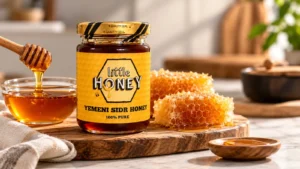
If you’re after good, raw honey in Singapore to make this with, Little Honey in Singapore has a range that’s genuinely raw and unprocessed; it matters since you’re relying on it for real antibacterial benefit, not just sweetness. For something mess-free and portioned instead of a full jar taking up bathroom space, Little Honey Straws in Singapore make it easy to measure out exactly what a honey and cinnamon face mask recipe needs.
Contact Us
To buy authentic raw honey or Little Honey Straws Singapore, get in touch with us today.
Main Office: 807A Chai Chee Rd, Singapore 461807
Email: honeystrawsg@gmail.com
Call: +65 86512712
FAQs
- Can I leave a honey-and-cinnamon face mask on overnight?
No. Cinnamon’s intensity makes overnight application a real risk of irritation, even for skin that usually tolerates it well. Stick to 10-15 minutes.
- Is it safe for sensitive skin?
Approach carefully. Patch test thoroughly, and consider adding yogurt to buffer cinnamon’s intensity if skin tends to react easily.
- How long should it sit on my face?
10 to 15 minutes, shorter than a plain honey mask given cinnamon’s stronger effect. Longer isn’t better here.
- Can it actually irritate skin?
Yes, if it’s not diluted properly or left on too long. Exactly why the patch test matters more here than most other honey-based masks.
- Does it help with acne scars?
Some notice marks fading gradually with consistent use, though it’s slow and supportive rather than a quick fix, and it varies by skin type.
- What kind of cinnamon should I use?
Ground cinnamon, ideally Ceylon, works well. Skip cinnamon essential oil entirely; it’s far too concentrated and much more likely to cause a genuine burn.