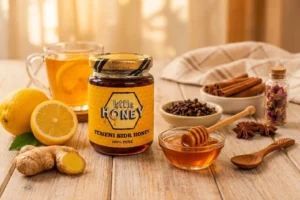
Honey for eczema has become one of the most talked-about natural remedies for anyone tired of dealing with dry, itchy, irritated skin. If you’ve ever dealt with eczema, you already know how exhausting it can be. The itching never seems to come at a convenient time, the dryness keeps creeping back no matter how much cream you apply, and finding something that actually calms your skin down feels like trial and error most days. It’s no surprise that so many people start looking beyond the pharmacy aisle for answers, and honey in Singapore keeps coming up in conversations, forums, and even grandmother’s advice.
But does it actually work, or is this just another wellness trend that sounds nice but doesn’t hold up? Let’s take an honest look at what eczema is, why people turn to honey in the first place, and how you can try it safely if you decide to give it a shot.
What Is Eczema, Really?
Eczema, or atopic dermatitis if you want the clinical term, is a skin condition that shows up as inflamed, itchy, and often painfully dry patches. It doesn’t stick to one spot either; you’ll find it on hands, faces, elbows, behind the knees- basically anywhere the skin barrier decides to act up.
A few things eczema tends to bring along with it:
- Itching that somehow gets worse right when you’re trying to sleep
- Dry, cracked, or flaky patches that never seem fully moisturized
- Redness and swelling around the affected area
- Skin that thickens over time from constant scratching
- In more severe cases, small blisters that ooze or crust over
What sets eczema off varies from person to person. For some, it’s allergens like dust or pollen; for others, it’s harsh soaps, scratchy fabrics, stress, or just a sudden shift in weather. At the core of it, though, is usually a weakened skin barrier that lets moisture escape too easily and lets irritants in a little too easily, too. That’s really why so many people start looking at honey as a possible remedy, because it does something interesting with moisture.
So, Does Honey for Eczema Actually Help?
Honey isn’t a discovery in skincare by any means. People have used it on wounds, burns, and irritated skin for centuries, and there’s a reason it hasn’t gone out of style. Raw honey naturally contains antibacterial and anti-inflammatory compounds, along with enzymes that seem to support the skin’s own healing process.
Here’s where it tends to make the biggest difference:
- It holds onto moisture. Honey is what’s called a humectant, which basically means it pulls moisture in and helps the skin hold onto it longer, genuinely useful when dryness is half the battle with eczema.
- It may calm edness down. The natural compounds in raw honey are thought to ease some of the inflammation that comes with flare-ups.
- It could lower infection risk. Cracked, irritated skin is more vulnerable to bacteria, and honey’s antibacterial nature may offer a bit of extra protection there.
To be fair, this remedy isn’t backed by the kind of large-scale clinical proof that would let anyone call it a cure. It’s more of a supportive, gentle addition to your routine than a replacement for whatever your dermatologist has already recommended.
The Real Benefits of Using Honey for Eczema-Prone Skin
- Calms down inflammation and visible redness
- Works as a natural moisturizer for chronically dry patches
- Offers antibacterial protection where skin has cracked or broken
- Helps ease the itching that makes eczema so uncomfortable
- Skips the harsh chemicals found in a lot of over-the-counter creams
How to Actually Use Honey for Eczema
Trying it out doesn’t need to be complicated. Here are a few simple ways people incorporate honey into their skincare:
Direct application. Just apply a thin layer of raw or Sidr honey onto clean skin where irritation shows up. Let it sit for about 15–20 minutes, then rinse off with lukewarm water.
Honey and aloe vera mask. Mix equal parts raw honey and pure aloe vera gel. Apply it to the affected area for around 20 minutes; the aloe adds an extra cooling effect that pairs nicely with honey’s soothing properties.
Honey and milk pack. A tablespoon of honey mixed with a tablespoon of milk makes a simple, calming paste that can soften rough, irritated patches.
If you’re just starting, apply it once a day to a small area first and see how your skin reacts. Once you know it agrees with you, you can work up to using it two or three times a week.
A Few Precautions Before You Try It
Honey is gentle by most standards, but that doesn’t mean you should skip a few basic precautions:
- Patch test first. Dab a little on your inner arm and wait 24 hours before applying it anywhere else.
- Avoid open wounds. If your skin is severely broken or bleeding, check with a dermatologist before adding honey into the mix.
- Don’t treat it as a substitute for medical care. If your eczema is severe or just won’t calm down, honey shouldn’t be your only plan; talk to a professional.
- Go for raw, unprocessed honey. Heavily processed honey loses a lot of the natural enzymes that make it worth trying in the first place.
Why Raw Sidr or Yemeni Honey Makes a Difference
Not every jar of honey on the shelf is the same. A lot of commercial honey is diluted or processed to the point where it loses much of what made it useful for skin in the first place. Raw, unprocessed honey holds onto more of its natural enzymes and antibacterial compounds, and varieties like Sidr and Yemeni honey in Singapore are known for staying closer to their natural, minimally processed state, which is exactly what you want if you’re exploring this remedy as part of your skincare routine.
At Little Honey, our Sidr and Yemeni honey is kept as close to its natural state as possible, without added syrups or unnecessary processing, making it a solid, simple option if you’re looking to give this remedy an honest try.
Sidr and Yemeni Honey Pricing in Singapore
| Product |
Price |
| 45g Kashmiri Sidr Honey |
$6.00 |
| 125g Kashmiri Sidr Honey |
$9.00 |
| 300g Yemeni Sidr Honey Jar |
$44.00 |
| 450g Yemeni Sidr Honey Jar |
$63.00 |
| 450g Grade A Yemeni Sidr Honey |
$78.80 |
| 900g Yemeni Sidr Honey |
$116.00 |
Final Thoughts
Honey for eczema isn’t a miracle fix, and anyone telling you otherwise probably hasn’t dealt with eczema themselves. But as a gentle, natural way to ease dryness and calm irritation, it’s worth a try, especially alongside whatever your dermatologist has already recommended. Pay attention to how your skin responds, patch test before going all in, and don’t skip medical advice if things aren’t improving.
If you want to try it with something genuinely pure, take a look at Little Honey’s Sidr and Yemeni honey in Singapore, made with quality in mind, not shortcuts.
Have questions about our honey or want to place an order? Email us at honeystrawsg@gmail.com or call us at +65 8651 2712; we’re happy to help.
FAQs
- Can honey cure eczema completely?
Not really. It can help ease symptoms like dryness and irritation, but eczema is a chronic condition that usually needs ongoing medical management too.
- Is raw honey better than regular honey for eczema-prone skin?
Yes. Raw honey keeps more of its natural enzymes and antibacterial properties intact, which makes it a better choice than heavily processed honey when you’re using it on skin.
- Can I apply honey directly on broken or irritated skin?
It’s best to hold off on open wounds or badly broken skin until you’ve checked with a dermatologist, since reactions really do vary from person to person.
- How often should I use honey for eczema relief?
Start slow, once a day on a small patch, and if your skin tolerates it well, you can move up to two or three times a week.
- Does honey work for all types of eczema?
Not always. It tends to help more with mild dryness and irritation, but severe cases really should be looked at by a dermatologist rather than managed with honey alone.
- Are there any side effects of using honey on the skin?
Some people, especially those sensitive to bee products or pollen, may react to it. That’s why a patch test before wider use is always a good idea.