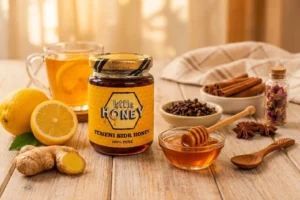
Honey can be a practical pre-race carbohydrate source for runners. It’s easy to eat, portable, and provides carbohydrates without the bulk of a full meal. If you’ve ever felt uncomfortable after trying a new race-day fuel, you know how important a simple plan can be. Whether you’re training for a 5K, marathon, or anything in between, honey may fit into your fueling routine.
For runners looking for a portable option, Little Honey Straws in Singapore offer an easy way to carry honey during training. And if you’ve never tried honey before a run, Honey for Runners is worth exploring during training before race day.
Why Your Body Needs Fast Carbs During Running
Your body uses stored glycogen and circulating carbohydrates when you run. As exercise continues, those fuel stores can become harder to maintain, especially during longer efforts. Carbohydrate loading the night before can help increase glycogen stores. But race-morning fuel can still matter, particularly for longer races.
So why not just eat a full breakfast instead? Because a heavy meal can take longer to digest. Toast and jam, oatmeal, or another light breakfast a few hours before the race can still make sense. Honey works better as a carbohydrate top-up than as a replacement for a complete meal.
The Science Behind Honey’s Quick Energy
Honey contains mainly glucose and fructose, along with smaller amounts of other compounds. These carbohydrates can be used as an energy source during exercise. The combination of glucose and fructose is also relevant because the body handles these carbohydrates through different transport pathways.
And there’s a practical angle too. Honey can provide carbohydrates in a relatively small serving, which can be useful when you don’t want a large amount of food before running. That’s one reason Honey for Runners is worth considering when comparing practical carbohydrate options.
What the Research Actually Shows
Research suggests that honey can work as a carbohydrate source during exercise, with responses broadly similar to other carbohydrate sources. A 2019 systematic review examined nine studies and found that honey produced exercise and metabolic responses that were generally comparable with other carbohydrate options. A 2025 cycling study also compared honey with a commercial carbohydrate product and found no major differences between the two.
This doesn’t mean honey is better than energy gels or sports drinks. It means honey can be a practical carbohydrate option for runners who tolerate it well. Your ideal fuel depends on your race distance, carbohydrate needs, timing, and how your stomach responds during training.
Comparing Honey With Common Race Fuels
Let’s compare honey with some of the options already sitting in most race belts.
Energy gels: Gels are designed specifically for endurance sports and often provide a measured amount of carbohydrate in a convenient serving. Honey offers a simpler, food-based alternative, but the carbohydrate content can vary by product and serving size.
Sports drinks: Sports drinks can provide both carbohydrates and electrolytes. Honey mainly provides carbohydrates, so it doesn’t replace the electrolyte and fluid component of a sports drink.
Bananas and dates: Bananas and dates are useful carbohydrate sources, but they take up more space and can be less convenient to carry during a race. Honey provides concentrated carbohydrates in a smaller serving.
Chews and bars: Chews can provide measured carbohydrates in a portable format. Bars may contain more fat, fiber, or other ingredients and can take longer to digest, depending on the product.
Race Fuel Options at a Glance
| Fuel Type |
Digestion |
Convenience |
Best For |
| Honey |
Fast for many runners |
High; easy to carry in straws or sachets |
Pre-race and longer runs |
| Energy gels |
Fast |
High; single-use packaging |
Marathons and ultras |
| Sports drinks |
Moderate to fast |
High; easy to drink |
Longer races and hot conditions |
| Bananas |
Moderate |
Lower; bulky and perishable |
Pre-race fueling |
| Dates |
Moderate |
Moderate; sticky and chewy |
Training and longer efforts |
Fueling by Race Distance
5K and 10K: Most runners don’t need fuel during a short race if they’ve eaten a normal pre-race meal. A small amount of honey before the start may provide a quick carbohydrate top-up, but it isn’t necessary for everyone.
Half Marathon: Fuel becomes more useful as race duration increases. Some runners may take honey before the start and use additional carbohydrates during the race, depending on their pace, finish time, and stomach tolerance.
Full Marathon: A marathon needs more planning because the effort lasts much longer. Honey can be used before the race or as one of several carbohydrate sources during the event.
Ultras: Ultra races can last for many hours, so runners often need a flexible fueling approach. Honey can be combined with gels, sports drinks, fruit, solid foods, and electrolytes throughout the race.
Flavour fatigue can also become an issue during long races. Having different carbohydrate sources available can make it easier to keep eating when you’ve been running for several hours.
The Best Time to Take Honey Pre-Race
Timing can affect how comfortable you feel during the race. Some runners may tolerate honey 15–20 minutes before the start, while others may prefer taking it earlier. There’s no single timing window that works perfectly for everyone. Your meal timing, serving size, digestion, and race distance all matter.
Too much food too close to the start can cause stomach discomfort. Taking it too early may also mean you’re hungry again before the race begins. The best approach is simple: test your timing during training runs, not for the first time on race morning.
Fueling Mid-Race: Marathons and Beyond
For shorter runs, one pre-run carbohydrate serving may be enough, depending on how long you’re exercising and what you’ve eaten beforehand. Longer efforts are different. Marathon and ultra runners often use smaller carbohydrate servings at regular intervals as part of a larger fueling plan.
A honey straw can be convenient here because it’s easy to carry and doesn’t require a spoon or an open jar. So why do some runners still overlook honey? Sports gels have been heavily marketed as endurance fuel for years, while honey is more commonly viewed as an everyday food. For runners who tolerate it well, though, honey can be another practical carbohydrate option.
How Much Honey Do You Actually Need?
A tablespoon of honey weighs about 21 grams and provides roughly 17 grams of carbohydrate. That’s a useful starting reference, but it isn’t a universal race-day recommendation. Your ideal amount depends on factors such as race duration, your overall carbohydrate intake, body size, and how well your stomach handles honey.
Start with a small amount during training. Track how you feel before and during your run, then adjust your approach for future sessions. This approach can help you build a practical Honey for Runners fueling routine before race day. Race day isn’t the time to experiment with a completely new fueling strategy.
Mistakes That Can Derail Race-Day Fueling
A few mistakes show up again and again when runners try a new fuel for the first time.
- Trying it on race day for the first time: Always test your fuel during training runs.
- Taking too much too close to the start: A large serving may cause stomach discomfort.
- Skipping water: Honey provides carbohydrates, but it doesn’t replace fluids.
- Expecting honey to replace electrolytes: Longer or hotter races may require a separate electrolyte strategy.
- Using poor packaging: A leaking honey packet can create a sticky mess in your race belt.
Fix these issues, and honey can become a practical part of your fueling routine rather than a race-day experiment.
Who Should Think Twice?
Runners managing diabetes should consider how honey affects their blood glucose and discuss race-day fueling with their healthcare professional when appropriate. Anyone with a known allergy to honey or other bee products should avoid it.
If you have a sensitive stomach, start with a smaller amount of Yemeni Sidr Honey during training and see how your body responds. One more thing worth remembering: honey provides carbohydrates, but it doesn’t hydrate you. Drink enough fluid for your training conditions, especially during hot and humid runs.
Race-Ready Sidr Honey from Little Honey
If you’re training in Singapore, portability can matter as much as the fuel itself. Little Honey’s Sidr honey straws fit easily into a race belt or pocket without the mess of an open jar.
Sidr honey provides naturally occurring sugars, including glucose and fructose. Honey also contains naturally occurring antioxidant compounds, although the amounts can vary depending on the honey’s floral source and processing. Straws solve another practical race-day problem. They’re individually portioned, easy to carry, and don’t require refrigeration during a normal run.
Conclusion
Honey can be a simple and practical carbohydrate source for runners, especially before a race or during longer training sessions. It is portable, easy to portion, and can fit into different race-fueling routines. However, honey is not automatically better than energy gels, sports drinks, bananas, or other carbohydrate sources. The right choice depends on your race distance, fueling needs, timing, and how well your body tolerates it.
If you want to use honey for running, start by testing a small amount during training rather than trying it for the first time on race day. For a convenient option, explore the Little Honey Straws Sidr Honey collection and find a format that fits easily into your running routine.
FAQs
- Can I eat honey before a 5K?
Yes. Some runners may find a small amount useful before a 5K, although many runners don’t need additional fuel during a short race if they’ve eaten a normal meal beforehand.
- Can honey cause a sugar crash during a race?
A response to carbohydrates can vary from person to person. Rather than assuming how honey will affect you, test your serving size and timing during training before race day.
- How much honey should I take before a marathon?
There isn’t one amount that works for every runner. A tablespoon provides roughly 17 grams of carbohydrate and can be used as a reference point, but your overall race-fueling plan should account for your individual carbohydrate needs and tolerance.
- Is honey better than energy gels for running?
Neither is automatically better. Honey is a simple food-based carbohydrate source, while gels provide measured amounts of carbohydrate and are specifically designed for endurance fueling.
- Can I use honey during training runs, not just races?
Yes. Training is actually the best time to test honey. It lets you find out how your stomach handles the amount, timing, and format before race day.