Honey has been part of everyday life for generations. The Uses of Natural Honey range from sweetening breakfast and balancing marinades to traditional home practices and modern personal-care products. Its taste, texture, and floral character make it more than a simple spoonful of sweetness.
But honey isn’t a cure-all, and not every type suits every purpose. Knowing how people use it, where evidence supports a use, and when caution matters helps you make sensible choices. For households in Singapore, honey remains a familiar pantry ingredient with a long history and plenty of practical uses.
1. How Honey Became Part of Everyday Life
Long before honey appeared in supermarkets, people valued it as food and used it in traditional preparations. Ancient Egyptian records point to its place in food and healing practices. Other cultures developed their own methods, passing recipes and customs from one generation to the next.
Traditional use doesn’t automatically prove a medical effect. Still, honey remained popular because it tastes good, stores well when handled properly, and blends easily with other ingredients.
Honey in Traditional Home Remedies
People often mix honey with warm drinks to soothe a scratchy throat. Evidence suggests that honey may help relieve cough symptoms in some children over one year old. However, honey must never be given to babies under 12 months because of the risk of infant botulism.
Honey in Traditional Skin Care
Some communities have used honey in skin preparations for generations. Its thick texture can form a temporary layer on the skin, but homemade mixtures aren’t the same as tested skin-care products. People with sensitive skin should patch-test cosmetic products and stop using them if irritation develops.
2. Uses of Natural Honey in Modern Daily Routines
In modern kitchens, honey is valued for its sweetness, aroma, and ability to blend into hot and cold foods. People use honey in simple everyday routines, from sweetening breakfast to preparing homemade drinks and sauces.
A Natural Sweetener for Breakfast
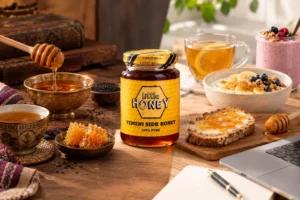
Stir a little honey from Little Honey Straws into yogurt, oatmeal, or porridge for a touch of natural sweetness. It also works well drizzled over sliced fruit or whole-grain toast. Start with a small amount, as the flavor can be stronger than expected, especially with darker honey varieties.
Honey contains sugars and calories, so it isn’t automatically healthier than table sugar. Think of it as another sweetener with a different taste, rather than a reason to add more sweetness overall.
A Flavor Booster for Drinks
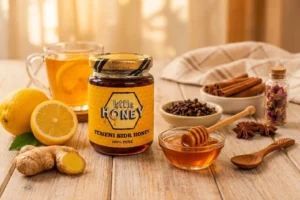
A small spoonful can sweeten tea, warm lemon water, or a homemade iced drink. For cold drinks, mix honey with a little warm water first, so it disperses evenly.
You can also experiment with different varieties. A mild honey may suit delicate drinks, while a stronger variety can stand out in citrus or other flavorful drinks.
An Ingredient for Sauces and Marinades
Honey helps sauces cling to food and creates a glossy finish. Combine a little with mustard, citrus juice, garlic, or soy sauce for a quick dressing or marinade.
Because honey browns quickly, keep an eye on food cooked over high heat. Adding too much can also overpower other ingredients, so start small and adjust the flavor as needed.
3. Honey in Baking and Home Cooking
Honey adds moisture and a recognizable aroma to muffins, quick breads, granola, and fruit-based desserts. It can help baked goods stay soft, although replacing sugar with honey may change the texture and browning.
If you substitute honey in a recipe, don’t assume a one-to-one swap will always work. Honey contributes liquid and browns faster than granulated sugar. Use a recipe designed for honey when possible, especially for cakes where ingredient balance matters.
| Everyday use |
A simple way to try it |
Practical tip |
| Breakfast |
Add a drizzle to oatmeal or yogurt |
Taste before adding more |
| Drinks |
Stir into tea or lemon water |
Mix with warm water for cold drinks |
| Dressings |
Whisk with citrus juice and mustard |
Balance sweetness with acidity |
| Baking |
Choose a recipe developed with honey |
Watch browning near the end |
| Snacks |
Pair with fruit or plain yogurt |
Keep portions modest |
These ideas work with wide varieties. The best choice depends on whether you prefer mild sweetness or a stronger floral taste.
For More information: Baking Bread with Honey: 5 Easy Tips for Soft, Fluffy Bread
- Uses of Natural Honey in Personal Care
Honey appears in face washes, moisturizers, lip products, and hair-care formulas. Manufacturers may use it as a humectant or for its texture and formulation properties. However, not every product suits every skin type, and kitchen honey shouldn’t automatically replace products made for skin.
Honey in Skin-Care Products
A formulated product is generally easier to use consistently because its ingredients and directions are listed. Check the label if you have allergies, and test a small area before wider use.
Avoid applying ordinary food honey to broken or infected skin as a do-it-yourself treatment. Skin problems that persist or worsen may need professional advice.
Honey in Hair-Care Formulas
Some conditioners and hair masks include honey to help hair feel softer or smoother. Results depend on the complete formula, not just one ingredient. Follow the product instructions and rinse it out as directed.
5. Honey in Modern Healthcare
One important distinction in modern use is the difference between ordinary food honey and medical-grade honey. Certain medical-grade honey products are specially prepared for use in wound dressings under professional guidance. They are not interchangeable with ordinary food honey from a kitchen jar. Ordinary honey shouldn’t be used as a home treatment for burns, deep cuts, or infected wounds.
Seek medical advice if a wound becomes increasingly painful, swollen, or produces pus. Medical-grade products should be used according to the instructions of a qualified health professional. Honey is also found in some throat-soothing products. It may offer modest cough relief for people over one year old, but persistent or severe symptoms need proper medical attention.
6. Exploring Different Honey Varieties
Honey varies in color, aroma, thickness, and flavor depending on its floral source and processing. One variety may taste light and delicate, while another can be dark, bold, or earthy. No single variety is best for every recipe or purpose.
Raw Honey
Raw honey is generally marketed as honey that has undergone limited processing. However, the term can mean different things to different sellers, so check the product label for details. Read product labels and buy from a trusted source. Raw honey is still a sugar-containing food and isn’t suitable for babies under 12 months.
Yemeni Sidr Honey
Yemeni Sidr Honey is a specialty variety often chosen by people who enjoy exploring distinctive honey flavors. Its character can be appreciated in a small serving alongside breakfast rather than hidden in a strongly flavored dish.
Kashmiri Sidr Honey
Kashmiri Sidr Honey offers another option for people interested in comparing varieties. Flavor and texture can differ between batches, so follow the product description and your own taste preferences instead of assuming every jar will taste identical.
At Little Honey Straws, shoppers can explore honey varieties and formats according to their preferences. Choose based on flavor, intended food use, product information, and the seller’s details, not on claims that a particular honey can treat an illness.
7. How to Store Honey Properly
Good storage keeps honey convenient for everyday cooking. Close the lid after each use, keep the jar in a cool, dry cupboard, and use a clean, dry spoon. Introducing water or food crumbs can affect its quality over time.
Honey may crystallize and become grainy. That’s a natural process and doesn’t automatically mean it has spoiled. If you prefer a runnier texture, place the closed container in warm water and allow it to soften gently. In Singapore’s warm, humid climate, keeping the lid tightly closed and the container away from moisture is especially practical. Don’t store honey beside a steaming kettle or leave the lid open on a humid counter.
8. Safety Checks Before Using Honey
A few simple rules help keep honey use sensible:
- Babies under 12 months: Never give honey to infants, including honey mixed into food or drinks.
- Sugar intake: Honey still contains sugar. People managing diabetes should account for it in their overall diet.
- Allergies: Stop using a product if it causes itching, swelling, a rash, or other signs of a reaction.
- Medical concerns: Don’t rely on kitchen honey to treat wounds, burns, or persistent symptoms.
- Product labels: Check ingredients, storage directions, and relevant warnings before buying.
The Uses of Natural Honey are varied, but sensible use means knowing when honey is simply a food ingredient and when a health concern needs professional attention.
Conclusion
Honey has a place in both traditional practices and modern daily life. From sweetening breakfast and preparing homemade dressings to its use in personal-care products and certain medical applications, honey serves a variety of practical purposes. Choosing the right variety, storing it properly, and understanding its limitations can help you use honey wisely.
Ready to explore distinctive honey varieties? Visit Little Honey Straws and choosing right honey for everyday use. If you have questions about products or need help choosing, visit our Contact Us page.
FAQS
- What are common uses of natural honey?
People use honey to sweeten drinks, add flavor to breakfast, prepare sauces, and bake. It also appears in personal-care products and certain medical-grade wound dressings.
- Can honey replace sugar in every recipe?
No. Honey adds moisture and browns faster than granulated sugar. Use recipes designed for honey or adjust other ingredients carefully.
- Is ordinary honey suitable for wound care?
No. Ordinary food honey isn’t a substitute for medical-grade products. Ask a health professional how to care for a wound.
- Is honey safe for babies?
Honey must never be given to babies under 12 months because it can cause infant botulism. This applies to all varieties.
- How should honey be stored?
Keep honey tightly closed in a cool, dry place and use a clean, dry spoon. Crystallization is normal and doesn’t necessarily mean it has spoiled.