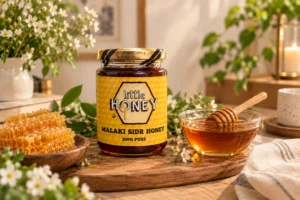
Making homemade bread soft, sweet, and healthy is easier than ever when you use honey. Many home bakers are discovering that baking bread with honey not only adds natural sweetness but also helps the bread stay moist and fluffy for longer. Honey enhances both flavor and texture, making it perfect for bread, buns, and other baked treats. Its natural properties keep the dough tender while giving a golden, appetizing crust.
Health-conscious families are increasingly choosing natural sweeteners like the best honey in Singapore over refined sugar. Baking bread with honey at home is not only tasty but also brings several health benefits, including antioxidants, antibacterial properties, and better digestive support. Using honey in your recipes ensures a natural sweetness while improving texture, moisture retention, and overall freshness.
Why Use Honey in Bread?
Honey is more than just a sweetener. When used in bread baking, it:
- Adds natural sweetness without refined sugar
- Helps the dough rise faster and stay moist
- Gives a golden crust and soft texture
- Enhances flavor in cloud bread, buns, and regular bread
- Offers natural health benefits like antioxidants and antibacterial properties
Baking bread with sidr honey is not only tasty but also healthier compared to using refined sugar. You can add it to whole wheat bread, white bread, buns, and even cloud bread recipes for a natural boost.
5 Easy Tips for Baking Bread with Honey
Here are 5 simple tips to help you get soft, fluffy bread every time you bake with honey in Singapore:
1. Measure Honey Accurately
Too much honey can make the dough sticky and heavy, while too little may reduce sweetness. Use 1–3 tablespoons of honey per cup of flour, depending on your recipe. Remember, honey is sweeter than sugar, so a little goes a long way.
2. Warm Honey Helps Yeast Activate
When baking bread with sidr honey, mixing it with warm water or milk helps activate the yeast. Yeast feeds on the sugars in honey and grows faster, which makes your dough rise beautifully. Avoid using boiling water as it can kill the yeast.
3. Mix the honey evenly in the Dough
For soft and fluffy bread, make sure the honey is evenly mixed throughout the dough. You can combine honey with wet ingredients before adding flour. This ensures every bite of bread or bun has a consistent flavor.
4. Give the Dough Proper Rest
Letting the dough rest is key to soft bread. Baking bread with honey requires at least 1–2 hours of rising time in a warm place. Honey helps keep the dough moist during resting, producing soft, airy bread with a tender crumb.
5. Bake at the Right Temperature
Baking at the correct temperature prevents bread from drying out or burning. Typically, bake bread with honey at 180–200°C (350–400°F) for 25–35 minutes, depending on loaf size. For buns and cloud bread, slightly lower heat works better to keep them soft.
Benefits of Adding Honey to Bread
Using honey in your bread recipes gives you multiple benefits:
- Soft and Moist Texture: Honey helps retain moisture naturally
- Golden Crust: Adds a beautiful shine and golden color
- Longer Freshness: Bread stays fresh longer due to honey’s hygroscopic nature
- Natural Sweetener: Avoid refined sugar for healthier baking
- Enhanced Flavor: Complements the taste of wheat, whole grain, and cloud bread
Suggested Recipes with Honey
You can use honey in various bread types:
|
Bread Type
|
How Honey Helps |
|
White Bread
|
Softens texture and adds golden crust |
| Whole Wheat Bread |
Adds sweetness naturally without sugar
|
|
Buns
|
Keeps them fluffy and tender for longer
|
| Cloud Bread |
Gives light sweetness and soft structure
|
Benefits of Using Honey
Honey is a versatile natural ingredient that supports your health and enhances your baking.
Health Benefits of Using Honey:
Honey is a natural superfood that not only tastes sweet but also provides numerous health advantages.
- Natural Energy Booster: Honey contains natural sugars (glucose and fructose) that provide instant energy.
- Supports Immunity: Rich in antioxidants and antimicrobial properties, honey helps strengthen the immune system.
- Soothes Sore Throats: Honey has a coating effect and antimicrobial action that eases throat irritation and coughs.
- Aids Digestion: Promotes healthy gut bacteria and can relieve minor digestive issues.
- Rich in Antioxidants: Contains flavonoids and phenolic acids that protect cells from oxidative stress.
- Helps with Skin Health: When applied topically, honey can moisturize and promote wound healing.
Top 5 Sidr Honey Health Benefits You Should Know
Baking Benefits of Using Honey:
Honey not only sweetens your baked goods but also improves their texture, flavor, and shelf life naturally.
- Natural Sweetener: Provides a healthier alternative to refined sugar while adding a distinct flavor.
- Moisture Retention: Keeps baked goods soft, moist, and fresh for longer.
- Enhances Browning: Honey contributes to a golden-brown crust due to caramelization during baking.
- Adds Flavor Depth: Gives a subtle floral or fruity undertone, enhancing the taste of breads, cakes, and pastries.
- Acts as a Preservative: Its natural antimicrobial properties can extend the shelf life of baked items.
- Improves Texture: Helps create a tender crumb in cakes and soft, chewy bread.
Tip: Using high-quality honey in Singapore ensures the best results for both flavor and health benefits.
Why Bakers Are Choosing Honey in Bread?
Baking bread with honey is gaining popularity among home bakers and small bakeries around the world. In places like Singapore, many people are opting for honey instead of refined sugar to make their bread, buns, and cloud bread healthier and naturally sweet. Honey not only adds flavor but also helps retain moisture, keeping the bread soft, fluffy, and fresh for longer, perfect for the humid climate.
Its natural properties enhance the texture and taste of all types of bread, from whole wheat loaves to light cloud bread, while providing additional health benefits like antioxidants. Using Sidr honey makes homemade baked goods more flavorful and appealing, giving everyone, from families to professional bakers, a simple way to enjoy delicious and wholesome bread.
Tips for Healthy Baking with Sidr Honey
For a healthier and tastier loaf, follow these simple tips when baking bread with sidr honey:
- Use raw or organic honey: It keeps all the natural nutrients and enzymes intact, adding more health benefits to your bread.
- Pair honey with whole-grain flour: It adds fiber, supports digestion, and balances the sweetness naturally.
- Reduce sugar slightly: Sidr honey provides natural sweetness, so you can cut back on extra sugar for a healthier loaf.
- Experiment with herbs or spices: Cinnamon, nutmeg, or rosemary enhance flavor and give extra aroma and health perks.
Conclusion
Baking bread with honey is tasty, natural, and healthy. It makes your bread soft, fluffy, and full of flavor while keeping it fresh longer. Using sidr honey in buns, cloud bread, or regular loaves also adds natural sweetness and nutritional benefits.
Always use organic or raw honey and follow simple baking tips for the best results. Contact us today! Try our natural honey in your bread, buns, or cloud bread recipes and enjoy soft, flavorful, and wholesome baked goods every day
FAQs
Q1: Can I use honey instead of sugar in bread recipes?
Yes, baking bread with honey is an excellent alternative to sugar. Use slightly less honey than sugar since it is naturally sweeter and adds moisture to your bread.
Q2: Does honey affect the bread’s rise?
Absolutely! Honey feeds the yeast, helping the dough rise faster and making your bread, buns, or cloud bread soft and fluffy.
Q3: Can I bake whole wheat bread with honey?
Yes, adding honey to whole wheat bread enhances natural sweetness, improves texture, and keeps the bread moist for longer.
Q4: How much honey should I add when making buns?
For soft and sweet buns, 1–2 tablespoons of honey per cup of flour works perfectly without making the dough too sticky.
Q5: Is honey suitable for cloud bread?
Definitely! Baking bread with honey gives cloud bread a gentle sweetness and a light, airy texture without affecting its structure.