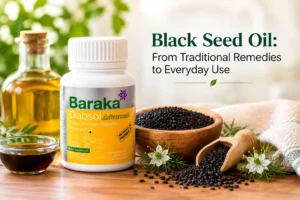
Black seed oil has been part of traditional food and wellness practices for generations. Made from the seeds of Nigella sativa, it has a bold, peppery flavour and a distinctive aroma that makes it easy to recognise. Today, it’s finding its way into modern everyday routines alongside other naturally sourced products.
At Little Honey Straws, we believe natural ingredients are worth understanding before adding them to your routine. So, instead of focusing on exaggerated wellness claims, this guide covers where black seed oil comes from, how it’s produced, how people use it, what to consider when buying it, and what current research tells us.
The Story Behind Black Seed Oil
Black seed comes from Nigella sativa, a small flowering plant traditionally grown across parts of the Mediterranean, Middle East, and Asia. The tiny seeds are also commonly called black cumin. For generations, people have used these seeds and their oil in food, household traditions, and traditional wellness practices. Today, researchers are also interested in the plant because it contains naturally occurring compounds such as thymoquinone.
That research has made black seed oil popular in modern wellness conversations. Still, traditional use and scientific evidence aren’t the same thing. Current research is interesting, but some studies are limited, so strong health claims should be viewed carefully.
From Black Seeds to Natural Oil
Black seed oil is made from the small seeds of Nigella sativa. It can range from golden to brownish in colour, with a peppery aroma and slightly bitter taste. The final flavour can vary depending on the seeds and how the oil is produced. Most black seed oil is made by pressing the seeds, while other extraction methods are also used. Cold-pressed oil is popular among people looking for a minimally processed option, but the term alone doesn’t guarantee quality.
When choosing a bottle, check the ingredient list, seed source, packaging, batch details, and storage instructions. Clear labelling gives you a better idea of what you’re actually buying than vague wellness claims on the front of the bottle.
For more information: Sidr Honey and Black Seed Oil: A Powerful Natural Combo
Potential Benefits of Black Seed Oil
Black seed oil has attracted attention for both its traditional use and its growing body of research. It contains naturally occurring compounds, including thymoquinone, which researchers have studied for their possible effects on different health markers.
Antioxidant Support
Black seed oil contains compounds with antioxidant activity. Researchers have studied whether these compounds may help influence oxidative stress in the body. While the findings are interesting, more human research is needed before making strong claims about specific health outcomes.
Inflammation Research
Another area of interest is inflammation. Studies on Nigella sativa and thymoquinone have explored their possible effects on inflammation-related markers. Some research has shown promising results, but the evidence isn’t strong enough to say that black seed oil can treat inflammatory conditions.
Blood Sugar Support
Researchers have also looked at black seed and its oil in relation to blood sugar levels. Some studies have reported improvements in certain blood sugar markers, but results have varied. Factors such as dosage, study length, and the form of Nigella sativa used can affect the findings.
Cholesterol and Heart Health Research
Black seed oil has also been studied for its possible effects on cholesterol and other blood lipid markers. Some research has reported changes in total cholesterol, LDL cholesterol, or triglycerides. However, these findings shouldn’t be treated as proof that black seed oil prevents or treats heart disease.
Traditional Wellness Use
Beyond modern research, black seed has a long history in traditional wellness practices. Many people continue to use the oil as part of their everyday routines because of its distinctive flavour, traditional background, and natural compounds.
The key is to keep these potential benefits in perspective. Research into black seed oil is still developing, and it shouldn’t be considered a replacement for medical treatment or professional healthcare advice.
Why Black Seed Oil Remains Popular
Black seed oil continues to attract attention because it’s easy to add to everyday routines and has a long history of traditional use. Its natural compounds, especially thymoquinone, have also made it a subject of modern research. Studies have explored its possible effects on areas such as inflammation, oxidative stress, blood sugar, and cholesterol. Some findings are encouraging, but results vary between studies, and the overall evidence isn’t strong enough to promise specific health benefits.
For everyday use, the sensible approach is to see black seed oil as a traditional food and wellness ingredient rather than a treatment. If you take medication or manage a health condition, speak with a healthcare professional before using it as a supplement.
Simple Ways to Use It Every Day
The easiest routine is usually the one you’ll actually keep. You don’t need a complicated schedule or a dozen ingredients. Some people take a small amount according to the product label. Others prefer adding it to food. The strong taste means a little can go a long way, especially if you’re new to it.
How Much Black Seed Oil Should You Take?
There’s no single amount of black seed oil that suits everyone. The serving can vary depending on the product, its concentration, and how you’re using it. If you’re trying it for the first time, starting with a small amount can be a simple way to see how your body responds. Always check the label for the suggested serving rather than assuming that taking more will give you better results.
Black seed oil can be used as part of an everyday routine, but it’s worth keeping the amount reasonable. Too much may cause stomach discomfort or other unwanted effects. If you take regular medication, are pregnant or breastfeeding, or have an ongoing health condition, speak with a healthcare professional before using black seed oil regularly.
Stir It Into Everyday Foods
A few drops can work in savoury foods where peppery flavours already make sense. Try it with salad dressing, hummus, dips, or a simple grain bowl.
You can also combine it with ingredients that soften its strong flavour. Olive oil, lemon, herbs, and mild spices can make a more balanced dressing. Don’t heat a quality oil aggressively just because it’s an oil. If you want to preserve its character, using it as a finishing ingredient can be a simpler approach.
Keep the Routine Simple
Morning routines are popular because they’re easy to remember. Others prefer taking it with a meal. There’s no prize for making the routine complicated. Follow the product’s serving guidance rather than copying a random amount from a social media post. And pay attention to how the flavour works for you. If the taste is too strong, using it with food may be more comfortable than taking it alone.
What Research Says About Black Seed Oil
Researchers have studied Nigella sativa and compounds such as thymoquinone to understand their possible effects on inflammation, oxidative stress, blood sugar, and cholesterol. Some studies have reported positive changes in certain health markers.
However, the results aren’t consistent across all research. Differences in dosage, study length, preparation, and participants can affect the findings. Some reviews have also rated the overall evidence as limited or low quality. The practical takeaway is simple: the research is interesting, but it doesn’t prove that black seed oil can treat a disease or provide the same benefits for everyone. It’s best viewed as a traditional wellness ingredient rather than a replacement for medical care.
Choosing the Right Black Seed Oil
With so many bottles on the shelf, choosing the right one can feel confusing. Start with the ingredient list and look for clearly stated Nigella sativa seed oil if you want a pure product. Next, check the seed source and extraction method. If it’s labelled cold-pressed, see whether the brand provides clear information about how the oil is produced.
Packaging matters too. A dark or opaque bottle can help protect the oil from light, while a secure cap limits unnecessary air exposure. Also check the batch number, best-before date, and storage instructions. Don’t choose based on price alone. A good product should have clear labelling, sensible packaging, and enough information for you to know what you’re buying.
A Quick Buying Checklist
| What to check |
Why it matters |
| Ingredient list |
Shows whether you’re getting pure oil or a blend |
| Seed source |
Gives you more information about origin and traceability |
| Extraction method |
Helps you understand how the oil was produced |
| Bottle type |
Helps protect the oil from light exposure |
| Batch and date details |
Useful for freshness and product tracking |
| Storage instructions |
Helps maintain quality after opening |
Keeping Black Seed Oil Fresh
Heat, light, and air aren’t great friends for most delicate oils. Store the bottle somewhere cool and away from direct sunlight. A kitchen cabinet can work better than a sunny windowsill. You also don’t need to keep moving the bottle from room to room. Close the cap firmly after each use. Wipe the bottle opening if oil collects around the neck. Small habits like these reduce mess and limit unnecessary exposure.
Check the smell and taste if you’re unsure about freshness. If the aroma becomes noticeably stale, harsh, or unpleasant compared with when you first opened it, don’t ignore that change. Always follow the storage directions printed by the manufacturer. Different products can have different recommendations.
What to Know Before Using It
Natural products still need sensible use. Black seed oil may cause stomach discomfort in some people, so follow the serving guidance on the product rather than taking more than recommended.
If you’re pregnant, breastfeeding, taking medication, preparing for surgery, or managing a health condition, speak with a healthcare professional first. Children also shouldn’t be given adult supplements without appropriate guidance. And remember, traditional use doesn’t mean the oil can replace proven medical treatment.
Conclusion
Black seed oil has a long history of traditional use and remains popular today because of its distinctive character and growing research interest. If you choose to use it, keep things simple: select a clearly labelled product, follow the recommended serving, store it properly, and treat health claims with care.
At Little Honey Straws, we believe natural products should be easy to understand and fit naturally into everyday life. You can explore our Sidr Honey collection or Contact Us if you have questions about our products. The goal isn’t to follow every wellness trend, but to choose thoughtfully and use products sensibly.
FAQs
Q1:Is black seed oil good for everyday use?
It can fit into an everyday routine for some adults when used according to product directions. However, personal health conditions, medicines, and the amount used can change what is appropriate.
Q2:How do you use black seed oil?
Common approaches include taking a small amount according to the label or adding it to foods such as dressings, dips, and savoury meals. Its strong flavour makes food pairing useful.
Q3:What should I look for when buying black seed oil?
Check the ingredient list, source, extraction method, packaging, batch details, date information, and storage instructions. Clear labelling is usually a better sign than bold marketing claims.
Q4:Does black seed oil need refrigeration?
Not always. Follow the manufacturer’s storage instructions. In general, keeping the bottle tightly closed in a cool, dark place can help protect the oil from heat and light.
Q5:Can black seed oil replace medicine?
No. It shouldn’t replace prescribed treatment or professional medical advice. Research into Nigella sativa is promising in some areas, but evidence quality and results vary across conditions.