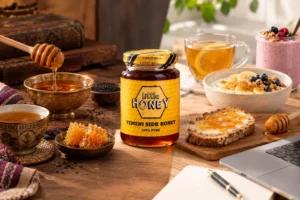
If you’ve ever stood in front of a honey shelf wondering which jar is actually worth buying, you’re not alone. Premium Honey usually refers to honey valued for its source, floral character, flavour, handling, and traceability. But a higher price or fancy label doesn’t automatically mean better quality.
For shoppers in Singapore, it helps to look beyond the marketing. Check the honey’s origin, ingredients, processing, aroma, texture, net weight, and seller information. Once you know what to look for, choosing a quality jar becomes much easier. You can also explore Little Honey Straws in Singapore if you’re looking for convenient honey options.
What Is Premium Honey?
There isn’t one worldwide rule that defines honey as “premium.” The term is generally used for honey with qualities buyers may value, such as a specific floral source, region, limited availability, distinctive flavour, careful harvesting, or clear product information. These details can help explain why one honey may be positioned differently from another.
Honey can vary because bees collect nectar from different plants, while weather, harvest timing, and processing can also affect the final product. So, two jars can both be honey but still taste and look different. Instead of trusting the word “premium” alone, look at the source, variety, flavour, and information the producer provides.
Start With the Origin
The first thing I check when comparing honey is where it came from. Origin gives you context. A named country, region, or production area tells you more than a vague phrase such as “natural honey.” It can also help explain why two varieties taste different. Floral source matters here too. Bees gather nectar from flowers, and those plants influence the honey that eventually reaches the jar. That can affect aroma, flavour, colour, and texture.
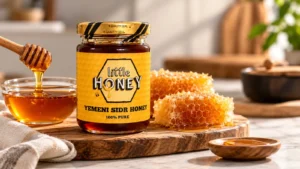
Take Sidr varieties as an example. Yemeni Sidr Honey and Kashmiri Sidr Honey come from different regions and floral environments. You shouldn’t expect them to taste exactly alike. And even honey from the same place can change between harvests. Rainfall, flowering conditions, temperature, and timing all play a part. If a seller makes a strong origin claim, look for enough information to understand it. A specific source is useful. A vague story isn’t.
Read the Label Before You Trust the Jar
The front of a jar is designed to sell the product. The smaller print often tells you more. Start with the ingredients. Ideally, you should know exactly what you’re buying without having to decode a long list of additions.
Then look for:
- stated origin
- net weight
- honey variety
- producer or seller details
- storage instructions
- product description
- contact information
A clear honey label makes comparison easier. Words such as “natural,” “pure,” and “premium” can sound reassuring. But they don’t replace useful product details. Ask what the seller actually tells you about the honey.
Weight deserves attention too. A larger-looking jar isn’t automatically better value. Compare the amount of honey, not just the package size or sticker price. That habit can save you from a poor comparison.
Taste Tells Part of the Story
Honey should taste like more than sweetness. Depending on the variety, you may notice floral, fruity, woody, warm, caramel-like, or deeper notes. Some are delicate. Others are bold and lingering. Aroma matters as well. Smell the honey before tasting it. Does it have a noticeable floral character? Is it rich? Light? Familiar? Unexpected ? There’s no single flavour that makes every honey better.
Premium Honey can have a distinctive sensory profile, but intensity alone isn’t proof of quality. A very strong flavour may simply be a characteristic of that variety. Texture gives you another clue, but it needs context. Some honey flows easily. Some feels thicker. Some crystallises over time. None of those features, by themselves, tell you everything. A useful approach is to judge the taste against what you know about the variety and source.
A Simple Quality Check
| What You Notice |
What It May Tell You |
What It Does Not Prove |
| Clear origin |
Gives context about sourcing |
Doesn’t guarantee quality |
| Distinct aroma |
May reflect floral source |
Doesn’t prove purity |
| Natural texture |
Can reflect variety and storage |
Doesn’t prove authenticity |
| Clear ingredients |
Shows what is listed in the product |
Doesn’t confirm every quality claim |
| Detailed seller information |
Makes the product easier to assess |
Doesn’t automatically make it premium |
The table is a starting point, not a laboratory test. Good buying decisions come from several clues working together.
Don’t Judge Honey by Colour Alone
Colour gets a lot of attention because it’s easy to see. Honey can be pale gold, amber, brown, or much darker. Floral source, geography, harvest conditions, and natural compounds can influence the shade. So, is darker honey automatically better? No.
A light honey isn’t automatically weak either. Colour is useful context, but it can’t carry the whole quality assessment. The same applies to appearance. A perfectly clear jar may look appealing, but clarity alone doesn’t tell you how the honey was sourced or processed. Natural products can vary. Expecting every batch to look identical isn’t realistic.
Understand How It Was Handled
Processing is another piece of the puzzle. Some producers filter honey more heavily. Others use lighter handling. Heating and filtering can affect appearance, texture, aroma, and other characteristics. That doesn’t mean one processing method automatically makes a product superior. It means you should know what happened after harvest.
Claims such as “raw” or “natural” need context. What does the producer actually mean? Was the honey filtered? Was it heated? Is that information explained clearly? The more specific the answer, the easier it is to make an informed choice. And this is where I’d avoid chasing trendy words. A good product description should explain the honey instead of relying on impressive adjectives.
Can You Tell If Honey Is Real at Home?
There are plenty of online tricks involving water, flames, thumbs, bread, or matches. They’re interesting. They’re also not reliable proof of authentici ty. A home test might show how honey behaves under one condition. It doesn’t establish its full composition or confirm that it matches the claims on the label.
If authenticity is a serious concern, stronger evidence comes from the supply chain and, where needed, laboratory analy sis. For everyday shopping, start with practical checks. Look at the ingredients, origin, producer information, variety, and product description. Those steps are much more useful than watching a viral honey test and treating the result as a verdict.
For more information: How to Tell If Your Honey Is Pure: Simple Ways to Check
Does a Higher Price Mean Better Honey?
Price can reflect many things. A particular variety may be harder to source. Transport can cost more. Packaging can be more elaborate. Testing, storage, production scale, and availability can also affect the final price. That means an expensive jar isn’t automatically better. Instead, ask a better question: what are you paying for?
If the price reflects a clearly identified origin, distinctive variety, careful handling, or useful product information, you may decide the difference is worthwhile. But if the only selling point is a premium-looking package, take another look. For Singapore shoppers, comparing price against net weight is especially useful. A smaller jar with a lower sticker price may still cost more per 100g. Value isn’t just the number on the front. Premium Honey should have a reason behind its price.
How to Choose a Better Jar
You don’t need to become a honey expert before your next purchase.
Use a simple checklist:
- Check where the honey comes from.
- Look for a named variety or floral source.
- Read the ingredients and net weight.
- Find clear producer or seller information.
- Check how the honey was handled.
- Consider the flavour profile you actually enjoy.
- Compare price against the amount you receive.
- Treat marketing words as clues, not proof.
Pure honey is one thing shoppers may look for, but purity should still be considered alongside source and product information. And don’t buy a variety simply because someone calls it the “best.” Your taste matters. Your intended use matters. Your budget matters too. The right jar is the one whose qualities make sense for what you want.
What Makes Sidr Honey Interesting?
Sidr honey is a useful example because source and variety are central to its appeal. Little Honey Straws focuses on Sidr varieties from different origins, including Yemeni and Kashmiri options, along with Sidr Malaki honey. Each can offer a different taste and character. That gives shoppers a chance to compare varieties rather than treating all honey as interchangeable.
If you’re choosing between jars, start with what interests you most. Maybe that’s a particular origin. Maybe you want a richer flavour. Maybe you prefer a smaller format for convenience. The product format matters too. Jars make sense for home use. Honey straws and sachets can be easier when you want individual portions for work, travel, or gifting. For a Singapore shopper, that combination of variety and format can make the buying decision much simpler.
Common Mistakes to Avoid
One common mistake is buying based on price alone. Another is assuming darker colour means better honey. It doesn’t. Some shoppers also put too much faith in words like “premium,” “natural,” or “pure.” Those terms can be useful, but they shouldn’t replace actual product information. Then there’s the habit of judging honey by appearance before checking its source.
I’ve seen this kind of comparison go wrong because people focus on the jar first. The label, origin, weight, and product details often tell a more useful story. And don’t ignore quantity. Two jars can have very different prices while containing very different amounts. A few seconds of comparison can prevent a poor-value purchase.
When Is Premium Honey Worth Buying?
Premium Honey makes more sense when you care about specific qualities rather than the label itself. You might value a particular floral source. You may enjoy a distinctive flavour. Perhaps origin and traceability matter to you. Or you may simply prefer a product with clear information and careful presentation.
That’s a personal choice. You don’t need the most expensive honey for everyday use. But if a particular variety gives you the taste, source, and experience you want, paying more may make sense. The key is knowing what you’re getting.
Conclusion
Premium honey isn’t simply about a higher price or attractive packaging. When choosing honey, look at its origin, floral variety, ingredients, flavour, processing method, and product information. These details can help you understand the honey better and choose an option that suits your taste, needs, and budget.
Singapore has many types of honey available, so instead of choosing a product simply because it says “premium,” take a closer look at what it actually offers. If you’d like to explore different Sidr varieties, visit Little Honey Straws and browse the Sidr Honey collection.
FAQs
- What is premium honey?
Premium Honey is honey positioned around qualities such as specific origin, floral source, distinctive flavour, limited availability, or careful handling. It isn’t a universal quality grade.
- How can you spot high-quality honey?
Look at the source, ingredients, variety, processing information, net weight, flavour description, and seller details. No single visual feature proves quality.
- Does darker honey mean better quality?
No. Colour can vary naturally due to the floral source, geography, harvest conditions, and other factors.
- Can home tests prove that honey is real?
No. Water, flame, thumb, and similar home tests cannot reliably confirm authenticity. Stronger verification may require laboratory analysis.
- Is expensive honey always better?
No. Price can reflect origin, availability, transport, packaging, testing, and other costs. A higher price alone doesn’t prove better quality.