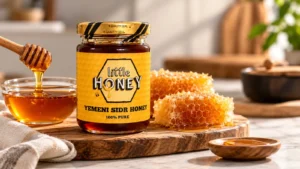
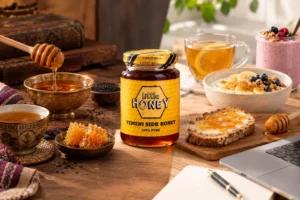
Honey can taste surprisingly different from one jar to another. Floral source, harvest conditions, handling, and storage can all shape the final product. Sidr Malaki Honey is often chosen by people who enjoy a richer and more noticeable honey flavour. It has a fuller character than many mild table honeys, making it interesting for breakfast, drinks, desserts, or simple tasting.
But the name alone doesn’t tell you everything. Origin, product details, jar size, price, and storage all matter when you’re buying honey in Singapore. For shoppers looking for Little Honey Straws in Singapore, understanding these details can make it easier to compare honey varieties, formats, and product options before buying.
What You Should Know About Sidr Malaki Honey
Sidr Malaki Honey is associated with honey produced from nectar gathered from Sidr blossoms. The Sidr tree is found across parts of the Middle East and South Asia, and honey from these blossoms is valued for its distinctive taste and aroma. The exact flavour, colour, and texture can vary from one harvest to another because honey is a natural product.
The name alone doesn’t tell you everything about a jar. Buyers should check the stated origin, weight, ingredients, sourcing, and storage information before purchasing. For those who prefer a convenient way to enjoy Sidr honey, Little Honey’s Sidr Honey Straws offer a simple, portable format for everyday use. They’re easy to carry for work, travel, breakfast, or a quick sweet addition to drinks and snacks.
The Origin Behind This Honey
Origin is worth checking before buying any premium honey. Sidr trees grow in several regions, so the exact source of a product should be stated clearly by the seller. The location of the trees can affect the nectar available to bees. Seasonal weather and surrounding plants can also influence the final flavour.
Harvest and handling come next. Even honey from the same broad region may not taste identical every year. That’s normal for a natural food . For Singapore shoppers, check the product page for the stated origin, net weight, ingredients, seller information, and storage instructions. These details tell you more than a premium-sounding product name.
Flavour, Aroma, and Texture Explained
Sidr Malaki Honey is generally associated with rich sweetness, a noticeable aroma, and a fuller mouthfeel. Some batches may have deeper amber tones, while others can appear lighter. The flavour isn’t fixed. Nectar sources, harvest timing, moisture, temperature, and storage can all affect how the honey tastes and feels.
Texture can change as well. Honey may pour smoothly in warm conditions and become thicker in cooler temperatures. Crystallisation can also change the texture without automatically meaning the honey has gone bad. If you’re tasting it for the first time, don’t rush. Try a small amount and notice the sweetness, aroma, texture, and aftertaste. This gives you a better idea of whether the flavour suits you.
A Quick Taste Guide
| Feature |
What You May Notice |
What Can Affect It |
| Flavour |
Rich, rounded sweetness |
Floral source and harvest |
| Aroma |
Floral, warm, honey-like notes |
Blossom and storage |
| Texture |
Smooth, thick, or slow-moving |
Temperature and moisture |
| Colour |
Golden to deeper amber |
Floral source and harvest |
| Finish |
Sweet and lingering |
Natural composition |
Colour should not be used as the only measure of quality. Darker honey isn’t automatically better, and lighter honey isn’t automatically lower quality.
Why Does This Variety Stand Out?
The character of this honey comes from more than one factor. First is the floral source. Sidr blossoms give the honey its identity. Then come the growing environment and harvest conditions, which can influence flavour, aroma, colour, and texture.
Processing also matters. Filtration, heating, and handling can differ between products, so the finished honey may not have exactly the same characteristics from one seller to another. There’s also the way you use it. A stronger honey can work well when you want the honey itself to remain noticeable rather than disappear into a recipe.
Potential Benefits Worth Knowing
Honey is more than just a sweetener. It contains natural sugars and carbohydrates, so it can provide a quick source of energy when included as part of a balanced diet. Honey also contains naturally occurring plant compounds, including antioxidants, although the amount can vary depending on the floral source, region, harvest, and processing.
When it comes to Sidr Malaki Honey, it’s better to think of it as a natural food rather than a treatment. Honey has been used traditionally in many cultures for generations, but traditional use doesn’t automatically mean that a specific honey can prevent or treat a medical condition. Enjoy it in sensible portions as part of your everyday diet, whether you’re adding it to breakfast, drinks, yogurt, or having a small amount on its own. If you have diabetes, food allergies, or specific dietary requirements, consider your individual needs and speak with a qualified healthcare professional when necessary.
Simple Ways to Enjoy It
You don’t need an elaborate recipe to enjoy a distinctive honey. In fact, simple foods can make its flavour easier to notice.
Start With Breakfast
Drizzle a small amount over toast, oatmeal, or plain yogurt. It can also work with fruit and nuts. Start with less than you think you need. A richer honey can quickly become the strongest flavour in the bowl.
Add It to Tea or Coffee
A little honey can sweeten coffee, tea, or warm drinks. If the drink is extremely hot, allowing it to cool slightly before adding honey is a simple way to avoid unnecessary high-heat exposure.
Use It in Desserts
Honey can be added to homemade desserts, simple sauces, and dressings. Its stronger flavour means you may need less than you would with a mild honey.
Taste It on Its Own
A small spoonful is one of the easiest ways to understand a honey. Pay attention to the first sweetness, aroma, texture, and finish.
Buying Sidr Malaki Honey in Singapore
Buying premium honey doesn’t have to be complicated. Start with the product information.
Look for:
- Clearly stated origin
- Net weight
- Ingredient information
- Seller details
- Storage instructions
- Relevant processing information
Be cautious about exaggerated claims. Words such as “miracle,” “cure,” or guaranteed health promises aren’t a substitute for clear product information. Price isn’t proof of quality either. A higher price can reflect sourcing, packaging, rarity, or brand positioning, but it doesn’t automatically tell you how you’ll like the flavour. Clear sourcing and honest product details are more useful when you’re deciding what to buy.
Simple Storage for Better Quality
Proper storage is straightforward. Keep the jar tightly closed in a clean, dry place at normal room temperature. Keep it away from direct sunlight and unnecessary heat. Refrigeration is usually unnecessary. Cold conditions can make honey thicker and may encourage crystallisation sooner.
If crystals appear, don’t assume the honey has spoiled. Crystallisation is a natural process that can happen in honey. Moisture is a bigger concern. Always use a clean, dry spoon and close the container after use. This helps reduce the chance of introducing moisture or contaminants.
Comparing Sidr Malaki, Yemeni, and Kashmiri Sidr
Sidr honey isn’t one single taste. Regional conditions, flowering periods, harvests, and handling can create differences between products. Sidr Malaki is generally associated with a rich and fuller profile. Yemeni Sidr is sought after by buyers specifically looking for honey sourced from Yemen. Kashmiri Sidr honey provides another regional expression, with characteristics that can vary by source and harvest.
There isn’t one flavour that everyone will prefer. Your choice can depend on the origin you want, the taste you enjoy, the jar size you need, and your budget. If you’re comparing products online, read the origin and product description rather than judging by the variety name alone.
Conclusion
Sidr Malaki Honey offers a distinctive option for people who enjoy richer honey flavours. Its character can come from the Sidr floral source, growing environment, harvest, and handling. The important point is that natural honey can vary. Two jars won’t necessarily look, smell, or taste exactly the same.
For shoppers in Singapore, focus on the basics: stated origin, net weight, product information, current price, and storage guidance. If you want to explore more regional options, Little Honey Straws also offers a Sidr Honey collection where you can compare different formats and varieties. The best jar is ultimately the one whose flavour, origin, size, and price fit what you’re looking for.
FAQS
- What is Sidr Malaki Honey?
It is a Sidr-based honey associated with nectar collected from Sidr blossoms. The exact origin, flavour, and characteristics depend on the producer and sourcing.
- What does this honey taste like?
It is generally described as rich and sweet, with a noticeable aroma and fuller mouthfeel. The exact profile can vary between harvests.
- Can I use Sidr Malaki Honey every day?
Yes, you can enjoy Sidr Malaki Honey as part of your everyday diet. Use a sensible amount with breakfast, yogurt, drinks, desserts, or on its own. Since honey contains natural sugars, moderation is a good approach, especially for people who need to monitor their sugar intake.
- How should I store it?
Keep it tightly sealed in a clean, dry place at room temperature. Avoid direct sunlight, excessive heat, and moisture.
- How do I choose a good jar?
Check the stated origin, ingredients, net weight, seller information, storage guidance, and other product details. Don’t use price alone as a quality test.