Honey is known for its remarkably long shelf life and is often considered one of the few natural foods that can remain safe to consume for years when stored properly. However, maintaining its quality requires the right storage conditions. In a warm and humid climate like Singapore, understanding how to store honey correctly is essential for preserving its flavor, texture, and natural properties.
Exposure to excessive heat, moisture, or direct sunlight can affect honey’s quality over time. These conditions may lead to fermentation, loss of aroma, or the formation of crystallized honey. Whether you use Pure Honey Singapore products, premium Sidr honey, or Organic Honey Singapore varieties, proper storage helps ensure every jar stays fresh and enjoyable for longer.
Ideal Storage Conditions for Honey
Proper storage plays an important role in maintaining honey’s quality. Fortunately, honey requires very little maintenance when kept under the right conditions.
Room Temperature
The ideal temperature for storing honey is between 18°C and 24°C.
In Singapore’s tropical climate, finding a cool, dry place inside your home can help preserve honey’s natural flavor and texture. Kitchen cabinets, pantries, and shaded shelves are often suitable locations.
Humidity Control
Honey naturally absorbs moisture from the surrounding environment.
For this reason, it should be kept away from sinks, open windows, and areas with high humidity. Excess moisture may affect honey’s consistency and quality over time.
Avoid Refrigeration
Many people assume refrigeration helps preserve honey. However, cold temperatures often encourage crystallization.
Although crystallized honey remains safe to eat, refrigeration can make honey harder to pour and use. Therefore, room-temperature storage is generally the better option.
Best Containers for Storing Honey
Choosing the right container is just as important as choosing the right storage location.
Glass Jars vs Plastic Containers
Glass jars are widely considered the best option for storing honey because they are durable, non-reactive, and help maintain product quality over time.
Food-grade plastic containers can also be used, but glass typically offers better long-term preservation for raw honey and premium honey varieties.
Airtight Lids
An airtight container helps protect honey from moisture, dust, and contamination.
Always close the lid tightly after use to preserve freshness and prevent exposure to humid air, especially in Singapore’s climate.
Choosing the Right Honey for Long-Term Storage
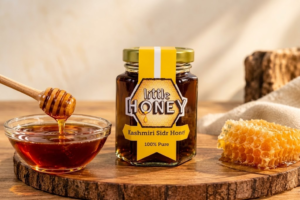
Not all honey is created equal. Sidr honey, for instance, is known for its durability, rich taste, and health benefits.
Opt for pure honey varieties that are free from additives or syrups. High-quality raw honey naturally resists spoilage and retains its properties even after long periods.
At Little Honey, customers can find premium, Halal-certified honey and organic honey, packaged securely to ensure longevity and freshness.
Conclusion
Storing honey in Singapore requires just a few mindful steps. Use airtight containers, avoid refrigeration, and keep it in a cool, dry space away from humidity and direct sunlight.
Whether you’re storing honey for daily use or long-term needs, choosing high-quality Sidr honey makes a difference. Trust Little Honey—a reliable brand offering premium honey with secure packaging and timely delivery across Singapore.
FAQs
Can you eat crystallized honey?
Yes! It’s safe and even delicious, especially when used in teas or baked goods.
Does honey expire in Singapore’s humidity?
While honey doesn’t expire easily, poor storage conditions can reduce its shelf life. Always use airtight containers and avoid moisture.
How do I know if my honey has gone bad?
If it smells sour or has visible mold, discard it. These are signs of excess moisture or contamination.
Should I refrigerate honey sticks?
No, store them at room temperature, away from direct sunlight and heat.