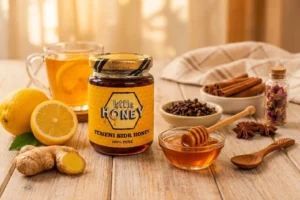
Honey is one of the few foods that can genuinely last for years, but that only happens if you know how to store honey the right way. Get it wrong, and even the best jar of pure honey can crystallize awkwardly, pick up moisture, or lose some of its natural character over time.
The good news is that storing honey properly is genuinely simple once you know the basics. At Little Honey Straws, we want every jar of honey you buy to stay just as good months or even years down the line, so let’s walk through exactly how to do that.
Why Proper Storage Matters for Honey
Honey has a naturally low moisture content and high acidity, which makes it genuinely resistant to spoiling. But that doesn’t mean it’s completely immune to poor storage conditions. Moisture, heat, and light can all quietly affect honey’s texture, flavor, and how long it stays at its best.
Learning how to store honey properly means you get to enjoy that jar for as long as possible, without any unnecessary waste or disappointment when you reach for it months later.
The Basics of How to Store Honey
Getting this right doesn’t require anything fancy, just a few simple habits.
Keep It in an Airtight Container
Honey easily absorbs moisture from the air, and too much moisture can eventually lead to fermentation. Keeping your jar tightly sealed after every use is one of the simplest, most effective habits for good storage.
Store It at Room Temperature
A cool, stable room temperature, somewhere around 21 to 27°C, is genuinely ideal for honey. This helps maintain a convenient texture, although crystallization can still occur naturally depending on the type of honey.
Keep It Away From Direct Sunlight
Sunlight and heat can gradually affect honey’s color, flavor, and some of its natural compounds over time. A pantry shelf or a cupboard works beautifully, somewhere dark, cool, and away from the stove.
Should You Refrigerate Honey?
This is one of the most common questions people ask, and the short answer is that it’s generally not necessary. Refrigeration actually speeds up crystallization, since cooler temperatures encourage honey’s natural sugars to solidify faster.
Room-temperature storage, in a sealed container, is the friendlier option for keeping honey in that smooth, easy-to-pour texture for longer. If your honey does crystallize, that’s not a sign anything has gone wrong; it’s simply a natural process, and there’s a lovely easy fix for it too.
Dealing With Crystallized Honey
Crystallization is honey’s way of naturally reorganizing itself over time, and it’s completely normal, even in pure, raw honey. Crystallization is not a sign that honey has spoiled, and it can happen naturally in many types of honey.
If your honey crystallizes and you’d like it smooth again, simply place the sealed jar in warm, not boiling, water and let it gradually soften, stirring gently when possible. Place the sealed jar in warm, not boiling, water and let the honey gradually soften, stirring gently when possible. Avoid direct microwaving or excessive heat, which can heat honey unevenly and may affect its quality.
It’s worth mentioning that crystallized honey is still perfectly good to eat as is; some people actually prefer the thicker, spreadable texture it takes on. Whether you warm it back up or enjoy it crystallized, the choice really comes down to personal preference rather than one being better than the other.
Common Storage Mistakes to Avoid
A few small habits can make a real difference in how well your honey holds up over time. None of these mistakes are dramatic on their own, but they can add up over months and years.
- Leaving the lid loosely closed, which lets in moisture and affects freshness
- Storing honey near the stove or oven, where heat exposure adds up over time
- Introducing wet spoons into the jar, which can introduce moisture and encourage fermentation
- Refrigerating honey unnecessarily, which speeds up crystallization
- Storing honey in direct sunlight on an open kitchen shelf
How to Store Honey in Different Climates
If you live somewhere warm and humid, like Singapore, a few small adjustments help even more. Keep your honey jar in a cupboard rather than on an open shelf, where humidity swings are more noticeable, and make sure the lid is always tightly sealed after each use.
In cooler, drier climates, honey tends to be a little more forgiving, though the same basic principles of keeping it sealed, cool, and out of direct light still apply everywhere.
Travelers and anyone shipping honey as a gift should also keep the climate in mind. A jar that sits in a hot car or a warm delivery truck for extended periods may crystallize faster or experience some flavor changes, even if it remains perfectly safe to eat. A little extra care during transport goes a long way toward keeping that jar in its best condition.
Storage Tips at a Glance
Here’s a simple summary you can keep handy.
| Storage Factor |
Recommended Approach |
Why It Matters |
| Container |
Airtight, sealed jar |
Prevents moisture absorption |
| Temperature |
Stable room temperature |
Slows crystallization, keeps texture smooth |
| Light Exposure |
Cool, dark cupboard |
Protects flavor and natural compounds |
| Refrigeration |
Generally not needed |
Speeds up crystallization unnecessarily |
| Crystallized Honey |
Warm water bath |
Restores smooth texture gently |
How Long Does Honey Actually Last
When stored properly, pure honey can genuinely last for years, and in some cases, even decades, without spoiling. This is one of honey’s most charming qualities, a food that, with a little basic care, essentially keeps giving.
That said, “lasting a long time” doesn’t mean quality stays exactly the same forever. Over very long periods, flavor and color may shift slightly, even if the honey itself remains safe to eat. Proper storage is really about preserving that lovely, fresh quality for as long as possible, not just avoiding spoilage.
Why Pure Honey Stores Better
Honey’s storage life depends largely on factors such as moisture content, handling, container seal, and storage conditions. Pure honey stored properly can remain stable for a very long time, although its color, flavor, and texture may change gradually over time. Keeping the container tightly sealed and protecting it from excess moisture, heat, and direct sunlight helps preserve its quality.
Pure honey, with nothing added and nothing diluted, tends to store beautifully using the simple methods covered here. If you’re curious about what actually separates pure honey from processed varieties, our guide on raw vs processed honey covers this in more detail.
Where to Buy Pure Honey in Singapore
If you’re in Singapore and want honey that’s genuinely worth storing carefully, sourcing pure honey in the first place makes all the difference. If you’re buying honey in Singapore, checking the ingredient list, stated origin, and product information can help you choose a product that matches your preferences.
Our Sidr Honey Varieties: Yemeni, Kashmiri, and Sidr Malaki
At Little Honey Straws, we offer a few different Sidr honey varieties, each with its own character and origin. Our Yemeni Sidr honey, sourced from the Do’an region of Yemen, is rich, dark, and deeply flavorful. Our Kashmiri Sidr honey, from the Himalayan region, offers a milder, gentler taste. And our Sidr Malaki, sourced from the KPK region of Pakistan, brings a bold, intense character for those who love a stronger flavor.
Every jar we sell is pure, minimally processed, and genuinely worth caring for properly, since it’s honey that deserves to stay at its best for as long as possible. We deliver across Singapore, so keeping genuine, storage-worthy honey in your kitchen is simple.
Final Thoughts
Learning how to store honey properly is one of those small habits that pays off for years. Keep it sealed, keep it at room temperature, and keep it away from direct light and heat, and your jar will reward you with that same lovely quality every time you reach for it.
If you want honey that’s genuinely worth storing well, Little Honey Straws offers pure Sidr honey right here in Singapore. Contact us or call us at +65 8651 2712; we’d love to help you find the right one for your kitchen.
FAQs
- Should honey be refrigerated?
Generally, no. Room-temperature storage in a sealed container is better, since refrigeration speeds up crystallization.
- Why did my honey crystallize?
Crystallization is a completely natural process, even in pure honey, and doesn’t mean anything has gone wrong.
- How do I fix crystallized honey?
Place the sealed jar in warm water for a few minutes and stir gently until it returns to a smooth, liquid texture.
- How long does honey actually last?
When stored properly, pure honey can last for years, sometimes even decades, without spoiling.
- Does the type of honey affect how well it stores?
Yes, pure, minimally processed honey tends to store more predictably than heavily processed or blended varieties.