Everyone’s heard the Cleopatra bath story at some point: milk and honey, supposedly the secret behind legendary skin. True or not, one thing’s real: a milk and honey face mask has outlasted basically every skincare trend that’s come since. Unlike many modern skincare products, this simple combination relies on just two everyday ingredients. Just two things, and they’re probably sitting in your fridge right now.
I tried it mostly out of curiosity, half-expecting one of those “sounds nice, does nothing” home remedies. It did more than I gave it credit for, which is really why I ended up digging into what’s actually happening when you mix these two.
Why Milk and Honey Work So Well Together
Milk brings lactic acid into the mix, a gentle acid that loosens up dead skin cells without the roughness of a physical scrub. It’s also carrying proteins and fats that help soften skin texture over time- not overnight, but noticeably with repeated use.
Honey does what it always does. Pulls moisture in as a natural humectant, brings some antibacterial properties along, and calms things down thanks to its anti-inflammatory side.
Put the two together in a milk and honey face mask, and you’re getting gentle exfoliation, real hydration, and a calming effect, all at once, from something that costs almost nothing and takes five minutes to throw together.
What It Actually Does for Skin
There’s more going on here than a pleasant smell and a soft finish afterward; both ingredients are actually pulling weight.
- Smooths out texture. Milk’s lactic acid works the surface gradually, without the redness a harsh scrub can leave behind. Skin naturally feels different after a few uses: less rough, more even.
- Exfoliates without any scrubbing. This surprises people about a milk and honey face mask. It’s chemical exfoliation, not physical, which tends to be gentler overall, especially for skin that doesn’t handle rough scrubs well.
- Brightens things up a bit. Clearing away that thin layer of dead skin makes things look fresher, more awake. Nothing dramatic, just a difference you notice right after rinsing.
- Calms down redness. Honey’s anti-inflammatory side takes the edge off any irritation sitting on the surface, working alongside milk’s gentler approach rather than against it.
None of these are overnight transformations. But together, they add up to skin that feels, in practice, different with consistent use.
How to Make the Mask
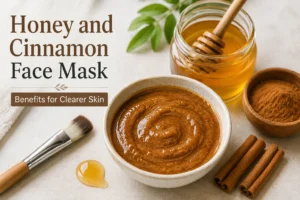
The base version: two tablespoons of whole milk, one tablespoon of raw honey, mixed until smooth. That’s genuinely the whole recipe for a milk and honey face mask; nothing complicated about it. If you’re after good, raw honey in Singapore for this, that’s really where the noticeable difference in results starts.
Stop right there,e and you’ve got the full benefit, or build on it depending on what your skin’s asking for that day.
A few optional add-ins
- A small spoon of ground oats for a bit more physical exfoliation on top of the chemical kind of milk is already doing.
- A pinch of turmeric for extra brightness; go easy, though, it can stain skin temporarily if you overdo it.
- A splash of rose water if you want something extra soothing, especially handy for sensitive or easily irritated skin.
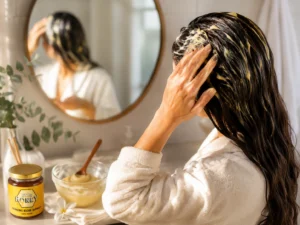
None of these are required. Just small things worth trying once you’ve figured out how your skin handles the plain version. Put it on Cleanse first, apply an even layer, and leave it 15 to 20 minutes. Rinse with lukewarm water, pat dry, no rubbing.
Who Needs to Be a Bit Careful
A couple of precautions worth knowing, even though a milk and honey face mask is a pretty gentle combo overall.
- Patch test it first. Both dairy and honey can trigger reactions in some people. A small test on your wrist or jaw before your full face is worth the extra two minutes.
- Skip it if dairy’s ever aggravated your skin before. Some people find dairy products don’t sit well with certain skin concerns, so this combo might not be the right one if that’s happened to you.
- Sensitive skin, ease in. Even gentle ingredients deserve a gradual introduction; natural doesn’t automatically mean zero risk.
- Good for acne-prone skin. Honey’s antibacterial properties genuinely help with breakout-prone skin, though some people with acne find dairy doesn’t agree with theirs, so it’s worth patch testing first.
None of this should scare you off from trying it. Just go in with a bit of caution, and it usually goes fine.
Homemade vs. What’s on the Shelf
A lot of store-bought exfoliating masks lean on synthetic acids, added fragrance, and preservatives to do roughly what a milk and honey face mask does with two pantry ingredients. Nothing wrong with those products exactly; they just tend to cost a lot more for a similar, sometimes harsher, result.
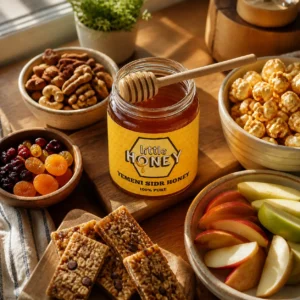
Raw honey matters here specifically, too. Filtered, heavily processed honey has lost a fair chunk of the enzymes that make it useful in the first place, so if you’re making a milk and honey face mask for the actual skin benefit, raw honey’s the version worth reaching for, not whatever’s cheapest on the shelf. Little Honey in Singapore keeps this kind of raw honey easy to find, and it genuinely changes how well the mask ends up working.
Bottom Line
A milk and honey face mask isn’t reinventing skincare. It’s just quietly doing what it’s always done: gentle exfoliation and real hydration, from two ingredients most people already have sitting at home. Won’t replace a dermatologist for anything serious, but as a cheap, simple addition to a routine, it holds up better than a lot of products that cost way more and promise way less.
If you’re after good, raw honey in Singapore to make this with, Little Honey in Singapore has a range that’s genuinely raw and unprocessed, which matters here since you’re relying on it for real skin benefit, not just sweetness. For something mess-free and portioned instead of a full jar taking up bathroom space, Little Honey Straws in Singapore work well too. And if you’re someone who’s always on the move, Little Honey Straws in Singapore fit easily into a bag without needing a whole jar tagging along.
Contact Us
To buy authentic raw honey or Little Honey Straws Singapore, get in touch with us today.
Main Office: 807A Chai Chee Rd, Singapore 461807
Email: honeystrawsg@gmail.com
Call: +65 86512712
FAQs
- Can I use any type of milk?
Whole milk works best thanks to the extra fat content, but low-fat or plant-based milk works in a pinch; results just might be a touch less rich.
- How long should a milk and honey face mask sit on my face?
15 to 20 minutes is enough for most people to see the benefit without overdoing it.
- Good for acne-prone skin?
Can be; honey’s antibacterial side genuinely helps breakout-prone skin. Some people with acne find dairy doesn’t agree with their skin, though, so test carefully first.
- Can I use it every day?
It’s better to stick with two or three times a week, giving the skin time actually to recover between uses.
- Does it help with dark spots?
Some people notice a gradual brightening with consistent use, though it’s more of a slow, supportive thing than a quick fix.
- Can I save leftovers for later?
Best used fresh, same day. No preservatives in it, and dairy doesn’t hold up well once mixed and left sitting around.