I counted once. Five lip balms in my bag at the same time, all half-used, none of them actually fixing anything. Twenty minutes of relief, then back to square one. Cracked, peeling, that annoying tight feeling by lunch, no matter how many times I reapplied. Somewhere in that mess of half-empty tubes, I started wondering if balm was even the right approach in the first place, and that’s how I ended up reading way too much about raw honey for lips.
Not a trend thing, either. Turns out people have been doing this way before lip balm was even invented as a product you’d buy off a shelf. Lips don’t have oil glands like the rest of your face, though; that’s the actual root of the problem, so they dry out fast and just stay dry unless something’s genuinely putting moisture back in, not just sitting on top pretending to help while doing very little underneath.
What surprised me most was how long this has actually been around. Long before drugstore aisles were stacked with dozens of lip balm brands, people were reaching for honey for exactly this reason. It wasn’t marketed, it wasn’t packaged in a cute tin, it was just something that worked, passed down the way home remedies usually are.
Why Lips Dry Out So Fast in the First Place
Thin skin. No oil production of its own. That’s really the short version. Lip skin is some of the thinnest on your entire body, and unlike your face or scalp, it doesn’t have sebaceous glands producing natural oil to protect itself. Add wind, cold air, that dry heat blasting from an AC or heater indoors, sun exposure, and the habit basically everyone has of licking their lips when they feel tight, which, ironically, makes things worse, not better, since saliva evaporates and pulls even more moisture away.
So you end up needing something that does two things at once: actually hydrates from within, and calms the irritation that’s already sitting there. That’s kind of the whole case for raw honey for lips over a balm that’s really just wax sitting on the surface, doing nothing to address what’s actually happening underneath.
It’s also worth mentioning that chapped lips aren’t just a cosmetic annoyance. Once the skin cracks, it becomes more vulnerable to bacteria, which can slow healing even further and sometimes lead to minor infections if left untreated for too long. That’s part of why picking the right remedy actually matters here, rather than just grabbing whatever balm is closest.
Why It Actually Works
There’s a reason raw honey for lips keeps coming up whenever people talk about natural remedies; it’s not doing just one thing; it’s doing three at once, which is more than most balms can claim.
- It draws moisture in. Honey is a humectant, which is a fancy way of saying it pulls water into the skin rather than just coating it. Instead of forming a barrier like wax-based balms do, honey is actively drawing hydration into the tissue itself. That’s the real difference: actual hydration, not a greasy film that wears off within the hour and leaves you right back where you started.
- It settles eczema and irritation down. Chapped lips are inflamed, even if most people don’t really think of it that way. Honey’s anti-inflammatory properties help take the sting out of that raw, uncomfortable feeling that comes with badly cracked lips, which is often what makes the whole area feel worse than it looks.
- It speeds up healing on small cracks. If things have gotten bad enough that lips are actually cracking or bleeding a little, honey’s antibacterial properties can help those small wounds close up faster than they would if left completely alone. This isn’t just folklore, either; honey has a long documented history in wound care generally, and the same properties that help with cuts and scrapes elsewhere on the body apply here too.
Put those three together, and it’s easy to see why raw honey for lips tends to outperform a standard balm. It’s not just sitting on the surface; it’s actually addressing what’s causing the dryness in the first place.e
Honey vs Balm, What’s Actually Different
Most balm on the market is built around wax or petroleum-based ingredients. It sits on your lips, forms a barrier, and tries to stop existing moisture from escaping. In theory, that’s fine. In practice, if your lips are already dry underneath that barrier, it isn’t fixing the actual problem; it’s just trapping dryness in and giving you the illusion of relief for a short while.
Raw honey for lips works from a completely different angle. It’s pulling moisture in while simultaneously calming and helping repair what’s happening underneath the surface, all at the same time, rather than just masking symptoms temporarily. And “raw” matters a lot here specifically. Processed honey has usually lost most of the enzymes that make it genuinely useful for skin, since heat and filtration strip a lot of that out during manufacturing. If you’re trying this specifically for your lips, it’s worth skipping whatever heavily filtered honey is sitting on the regular supermarket shelf and going for something raw and unprocessed instead.
How People Actually Use It
There’s no single “right” way to do this; it really depends on how bad the dryness is and how much time you’re willing to put in. Most people end up mixing a couple of these methods depending on the day.
- Overnight. This is probably the easiest and most popular method. A small dab on clean lips right before bed, then just leave it there. It feels a little sticky going on at first, but it soaks in fast enough, and mornings usually bring noticeably softer lips as a result, often within just a few nights of doing this consistently.
- With a drop of oil. Mixing honey with a bit of coconut or olive oil adds extra softness, especially useful if things are severely dry or already peeling. The oil layers one more bit of protection on top of the hydration honey is already providing, which can help speed things along for more stubborn cases.
- As a scrub. Combine honey with a small pinch of sugar and gently rub it over your lips for about half a minute before rinsing off. This helps clear away flaky, dead skin without being too harsh, and lips tend to feel noticeably smoother right after, a nice option once or twice a week if buildup is an issue.
Whichever method you start with, give it a few days before deciding whether it’s working — honey isn’t an instant fix, but the results tend to hold up a lot longer than a quick swipe of balm ever does.
How Often Should You Use It
Once a day, ideally at night, is plenty for most people. If your lips are especially bad, applying a thin layer during the day as well doesn’t hurt, though it is sticky enough that it’s not exactly ideal right before a meeting or a meal. There’s no real downside to using it more than once a day, but there’s not a huge amount of extra benefit past two or three applications either; at a certain point, you’re just repeating the same effect without much added gain.
A Few Things Worth Knowing
- It’s sticky. Bad timing right before eating or talking closely with someone, so plan around that if it matters to you.
- Patch test it first, especially if you’ve never used honey directly on your skin before. A small amount on your inner wrist, wait a bit, and check for any reaction before applying it to your lips.
- It’s not sunscreen. You’ll still want an SPF balm if you’re heading outside during the day, since honey offers no protection against UV rays whatsoever.
- Skip it entirely if you’re allergic to bee products. This one’s fairly obvious, but worth stating clearly regardless.
So, Bottom Line
Raw honey for lips isn’t really a discovery — it’s just something that’s quietly worked this whole time while lip balm companies keep reselling us the same twenty-minute fix year after year. It’s cheap, simple, and probably already sitting in your kitchen.
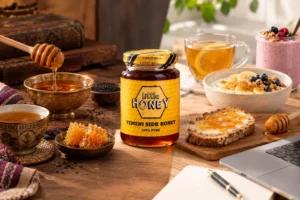
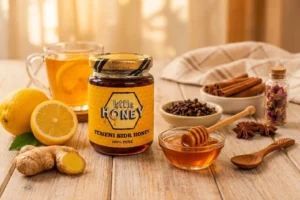
Looking for good, raw honey in Singapore to try this with? Little Honey in Singapore has a range worth checking out — real, unprocessed honey, not the filtered stuff. If you’d rather carry something small, Little Honey Straws in Singapore fit easily into a bag.
For anyone still cycling through balm without luck, this is worth trying before tube number six. Results usually show up within a few days if you’re consistent. Little Honey in Singapore makes getting raw, quality honey simple, and Little Honey Straws in Singapore work just as well on the go.
Contact Us
To buy authentic raw honey or Little Honey Straws Singapore, get in touch with us today.
Main Office: 807A Chai Chee Rd, Singapore 461807 Email: honeystrawsg@gmail.com | Call: +65 86512712
FAQs
- Can I leave honey on my lips overnight?
Yeah, that’s actually one of the better ways to use it. A thin layer before bed, then let it sit while you sleep, works well for most people.
- Does it heal chapped lips faster than balm actually does?
For a lot of people, yes, mostly because it’s repairing the skin from within instead of just covering it up temporarily, which is what most standard balm tends to do.
- Is it safe on cracked, bleeding lips?
Generally, yes, thanks to its antibacterial properties. That said, if things aren’t improving or the cracking looks severe, that’s a situation for a doctor, not a home remedy.
- Can I use it every single day?
Sure. Once daily is a completely reasonable habit to build, especially as part of a nighttime routine.
- Does it do anything for lip pigmentation or darker lips?
Some people use it hoping for a mild brightening effect over time, though results vary quite a bit from person to person, and it’s not a guaranteed fix by any stretch.
- What kind of honey works best for this?
Raw, unprocessed honey, every single time. It holds onto the natural enzymes that filtered or heavily processed honey tends to lose somewhere along the way during production.